

A Travel Guide to the Land of Llamas, Machu Picchu and Potatoes – Peru
Peru is the land of wonders, rituals, ancient traditions and gate-kept small towns.

Peru is also known as the food capital of the world because of unique produce that’s not found anywhere else in the world – for instance there are 4000 varieties of potatoes grown here.
Here’s a concise guide to Peruvian towns and all you need to know to plan your clients bucket list trip to the sacred land.
Lima
You can plan at least 4 days in the capital city of Lima. Spanning from museums like Catacombs, Larco museum, LIMA museum of contemporary art and the Museum of Memory, Tolerance and Inclusion, Lima has a lot to offer. There are also wonderful streets to walk on like Barranco which houses the artwork of famous Peruvian artist Jade Riviera. You can extensively walk around and cover Barranco’s street art scene, Bridge of sighs and the restaurants there.
Plaza De Armas is a great region to walk around. It houses great street culture which is buzzing with live music, artwork and museums you can pop into.
Indian Pizza is one of the popping restaurants in Barranco which can’t be missed. There are various vegan restaurants in Peru as well – Asianica and Okey Al Natural being my favorites.
Lima is perhaps one of the best places to try food and I suggest going on food hopping tours and trails here.
As an art enthusiast, you can also stop by the donation based Jade Riviera Museum and art shop in Barranco district.
Lake Titicaca
This is a 1 night destination in Peru. Most people stop here while making a bus crossing to Bolivia. Lake Titicaca has beautiful boats which are made of unique wooden panels on either side of the boat. The aesthetics of the destination are beautiful. Most people stop at local eateries in Lake Titicaca and enjoy fresh juices and fruit salads. Bolivian culture also flows into Lake Titicaca more easily since Copacabana in Bolivia is just across the border.
Cusco
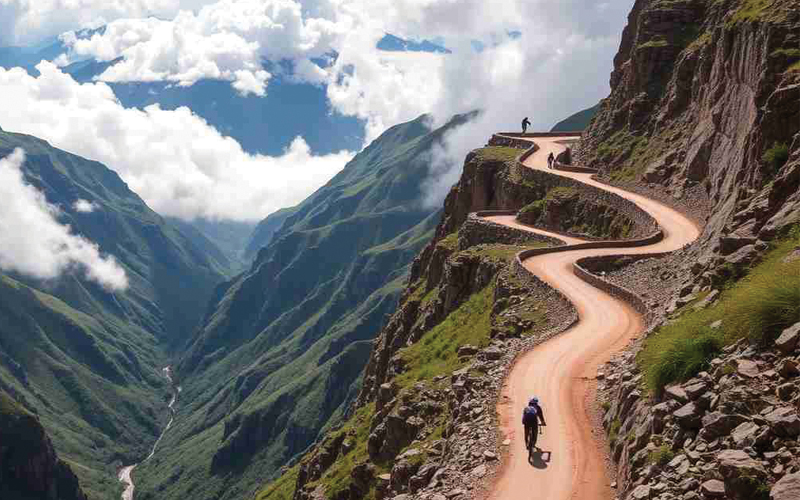
The most enchanting of all the Peruvian destinations. You can plan at least five days in Cusco, no less. You must explore Sacred Valley – all the terraced slope cities of the ancient Inca dynasty. Machu Picchu is the closest to Cusco and happens to be a two day trip. The train journey is beautiful and is rather luxuriously expensive. Most people hike across the Salkantay trail or find alternate routes to Aguas Calientes which is the base to cover Machu Picchu. When you enter Machu Picchu, it doesn’t take over 3 hours to walk across the entire region. It is breathtaking.
Rainbow mountain is another day trip from Cusco. Most people explore Rainbow valley, a stunning mountain with all colors of the rainbow. The elevation is high and trekking shoes are recommended.
Plaza De Armas in Cusco is a key area to explore for night performances – Latin American style, walks, live music and touristy vibes. It’s one of the most central places of town. Walking distance from Plaza De Armas lies Sacsayhuaman, an ancient citadel complex used for communal rituals.
Some of the best places to dine in Cusco are Prasad and Nuna Raymi. Peru has over 4000 varieties of potatoes and Nuna Raymi is one of the only restaurants which offers over 400 varieties of potatoes on a rotational basis. They have a special potato tasting experience and it’s truly exceptional. Peruvian potato wine is a must try because it’s something you only find in Peru. Yes, wine not vodka made from juicy potato tuber varieties that grow here.
Arequipa
Arequipa is a quiet white town where tourists visit to enjoy a quieter life, lesser explored areas and architecture. The Monastery of Santa Catalina is a wonderful place to explore. Its architecture and paintings are unique. For stunning nature drives, you can make a day trip to Colca Canyon which houses the second largest bird in the world – The Andean Condor. But you have to be terribly lucky to spot it. Some people spend over 3 days hiking the valley to spot the condor. In Colca Canyon, cactus juice is a trending dish that you don’t find in too many other places. You can also explore Arequipa town for around a day and do walking tours to understand the history. Zig Zag and The Garden Arequipa are two restaurants in town worth trying.
While many people skip Arequipa, I suggest making a trip here if you’re into birding or enjoy ancient architecture that takes you back into town.
Other places to explore
While the places I’ve mentioned are enough for a two week itinerary, you might want to stay longer and explore other towns where the Amazon is connected and can be explored. The Amazon of Peru offers unique opportunities to spot anacondas, pink dolphins and unique species of monkeys. Some destinations also have piranhas. There are dedicated tours from Cusco which take you into the Amazon and some are as long as a week.
Where to stay?
HomeExchange presents the amazing opportunity to exchange homes with locals or use points towards your stay. I used HomeExchange and stayed with locals in each town. They helped me prepare my itinerary and told me about the lesser known spots which I would have not explored otherwise. I also enjoyed traveling across Peru and seeing how homes are unique and local culture is embedded in local living.
How to get around?
I suggest traveling with Peru Hop, it’s a well connected bus service connecting all the towns and attractions in Peru. They also have a dedicated tour team to plan end to end experiences in each city and connects with hostels across the city.
Tips to keep in mind
The primary language in Peru is Spanish. To get around the area easily, speaking Spanish is a major plus point. If you don’t know Spanish, you can carry AirPods for translation or learn a few words. Carrying a roaming card here is must because it’s necessary to stay connected to plan tours.