

Egypt’s Greatest Hits: Discovering the Wonders of the Nile with AmaWaterways
More than any other civilization on earth,
the long, mysterious Nile River and ancient Egypt’s extraordinary monuments reflect one another in a way unmatched anywhere else.
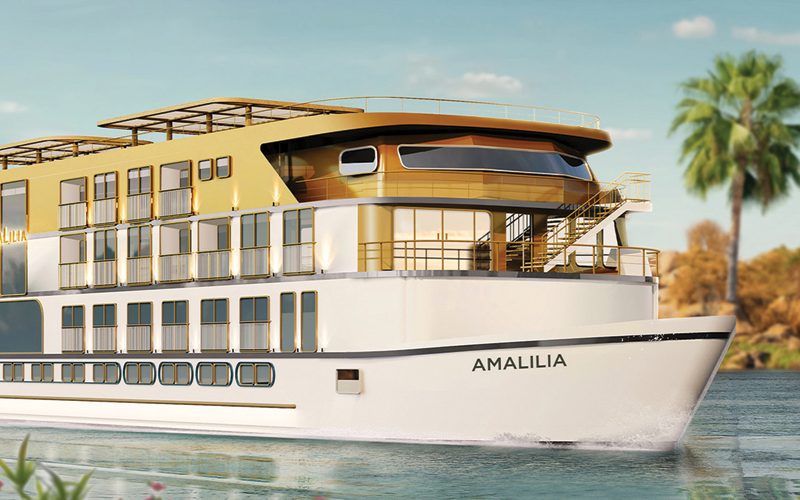
From the pyramids of Giza to the colossal temples of Abu Simbel, there’s no better way to experience Egyptian culture’s unparalleled achievements than to travel the river that made the civilization possible. And there’s no better way to make this voyage than aboard AmaLilia, AmaWaterways’ purpose-built Nile riverboat AmaLilia.
Egypt’s history and treasure trove of antiquities can feel almost impossibly large. The pyramids have stood for thousands of years. Royal tombs preserve images of the afterlife. The walls of enormous temples lining the Nile are covered with stories of gods and kings. Seeing these places in person is something no photograph can replicate.
AmaWaterways Secrets of Egypt & The Nile cruise brings together the country’s greatest archaeological treasures on a grand tour of ancient Egypt. It begins with three nights in Cairo, then flies south to Luxor, where you board AmaLilia. For travelers who want to experience the highlights without organizing every transfer, hotel, and excursion independently, this comprehensive Nile cruise offers a way to explore in world-class comfort.
Introducing Cairo
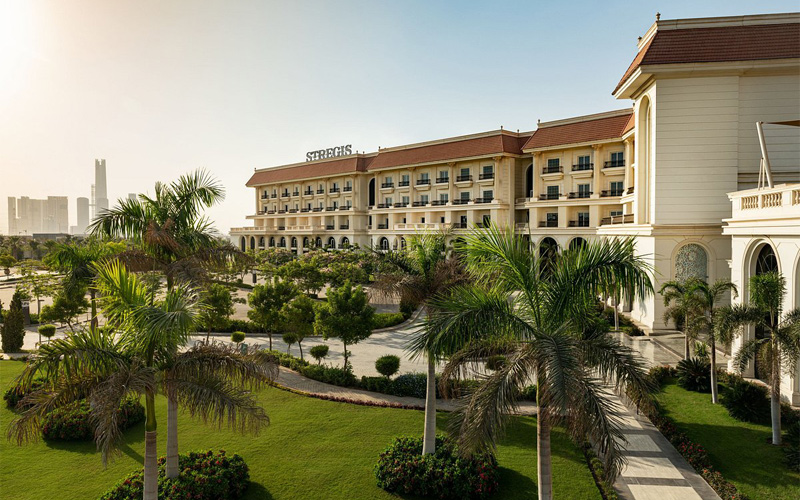
My group’s journey started at the St. Regis Cairo, a majestic base for exploration. We began at the Grand Egyptian Museum, an immense modern complex that houses more than 100,000 artifacts spanning Egypt’s long history. The following day, we visited Saqqara, the ancient necropolis where the Step Pyramid of Djoser marks a milestone in monumental architecture.
We continued to Giza, where the Great Pyramids and the Sphinx rise above the desert. Built more than 4,500 years ago, the pyramids remain astonishing in their scale and ambition. No photograph quite prepares you for standing before them. Lunch at the historic Mena House, in the pyramids’ shadow, was a memorable break from gawking at the iconic tomb structures.
Life aboard AmaLilia
In Luxor we boarded the AmaLilia, our floating base for days of exploring the ancient sites along the river. Ahead lay Edfu, Aswan and a succession of temples and tombs.
The Nile is more than a scenic backdrop. Beyond its banks, the desert stretches to the horizon; beside the water runs a ribbon of green fields, palms, and settlements. This contrast helps explain why the river has sustained life for millennia. Ancient Egypt’s agricultural wealth, religious centers, and royal monuments were inseparable from the waters of the Nile.
Excursions begin early when heat and crowds are easier to manage. As temperatures rise, travelers leave the temples and tombs, return to the ship, relax, watch the riverbanks pass, and enjoy dinner. The top-deck pool and lounge offer welcome respite, whether for a refreshing swim or simply a shaded seat overlooking the Nile. Cruise manager Walaa Badour keeps the demanding itinerary running smoothly; he knows how much good timing matters at busy archaeological sites, arriving at less-crowded times so visitors have more opportunity to appreciate what they came to see.
Tombs, temples and pharaohs
From Luxor’s West Bank, travelers venture into the Valley of the Kings, opening a window into royal burial and ancient Egyptian beliefs about the afterlife. Pharaohs were buried in elaborate tombs cut into the rock, their walls decorated with paintings and inscriptions intended to guide them into eternity. Nearby, the Mortuary Temple of Hatshepsut, commissioned by a remarkable female ruler, rises in broad terraces against a limestone cliff. Across the plain, the Colossi of Memnon, two enormous statues of Amenhotep III, stand as reminders of a once-grand temple complex.
The Temple of Horus at Edfu is remarkably well preserved. Built during the Ptolemaic period (237 to 57 BC), it honors the falcon-headed god Horus. An imposing entrance leads into courtyards and chambers filled with carved reliefs and inscriptions. Equally impressive are the details, which describe ritual and religious belief.
Egyptologist-guide Marwaa Abas was central to our understanding. The walls were crowded with figures and hieroglyphs, but Marwaa’s passion and enthusiasm brought them to life, linking monuments with gods, rulers, and rituals that shaped ancient life here.
She and Walaa both expressed particular appreciation for the Temple of Hathor at Dendera. Dedicated to the goddess of love, music, and joy, Dendera is celebrated for its sculpted columns and decorated ceilings; looking upward to take in the details becomes part of the experience. The unusual double temple at Kom Ombo, dedicated to Sobek and Horus, and the vast Karnak complex in Luxor add further layers of religion, art, and royal power.
Aswan, Philae and Abu Simbel
Farther south, Aswan introduced us to another stratum of Egyptian heritage: Nubia. An international rescue effort relocated Philae Temple, dedicated primarily to the goddess Isis, to Agilkia Island when construction of the Aswan High Dam threatened to submerge it.
An optional excursion to spectacular Abu Simbel costs extra and is well worth it. The Great Temple of Ramses II, with its four colossal seated figures carved into the sandstone façade, is breathtaking in scale. Nearby, the smaller Temple of Hathor honors Nefertari, Ramses II’s queen.
Their setting beside Lake Nasser makes the experience all the more memorable. In the 1960s, workers painstakingly cut both temples into sections and raised them to higher ground to save them from the rising waters of the Aswan dam. It was an extraordinary feat of engineering and historic preservation, matching the ancient builders’ ambition in its own way.
High Tea at the Old Cataract
We made time for tea at the timeless, colonial-Orientalist Old Cataract Hotel in Aswan, overlooking Elephantine Island on the Nile. Long associated with the glamour of Egypt’s grand travel era, the Old Cataract has welcomed royalty, writers, and other distinguished guests since the late 19th century. Agatha Christie famously stayed here while writing Death on the Nile, and the hotel’s atmosphere still evokes that era’s romance. For a couple of hours, we could pause and reset, enjoying the view and imagining generations of travelers relaxing in this same elegant setting with tea and pastries. From the terrace, the Nile unfolded below us, its waters moving quietly as feluccas passed palm-fringed islands.
Egyptian hospitality on board
Overall, the Nile journey focused on ancient monuments, but AmaLilia offered plenty of opportunities to experience contemporary Egyptian culture. On Egyptian Night, guests donned traditional galabeyas, loose-fitting robes, and joined in festive dancing. Another night featured a Nubian cultural performance. A cooking demonstration and a special Chef’s Table added variety. These brief encounters provided a welcome counterpoint to the archaeological sites.
As for shopping, Walaa’s word of wisdom remains, “it will always come to you.” Small boats stocked with souvenirs often approach the larger riverboat and offer merchandise directly to passengers—Walaa’s advice: Bring small bills and bargain hard. The ship’s Egyptian crew were courteous and professional throughout our sailing. Fellow passengers Carl and Susan from Florida, veterans of three previous AmaWaterways cruises, explained why they return to sail with the luxury river brand: “The service and the feeling of being in good hands keep us coming back.”
An ancient world that endures
We disembarked from AmaLilia in Luxor and flew back to Cairo. Our final visit was to the Abdeen Palace Museum, a sprawling 19th-century architectural masterpiece and former royal residence that now houses several unique museums. It offers a striking contrast to the pharaonic world. Our final night at the St. Regis brought the trip to a comfortable close.
What stays with me most about this journey is the extraordinary range of places we experienced. From the pyramids and royal tombs to Edfu’s temple, the artistry of Dendera, the island setting of Philae, the grandeur of Abu Simbel, and the timeless elegance of the Old Cataract, each added another dimension to Egypt’s story. Marwaa’s expertise brought these places into focus, while Walaa and the AmaLilia Egyptian team turned a demanding itinerary into a comfortable, well-organized experience. While the monuments along the Nile are the main attraction, the Amalilia, which accommodates up to 82 passengers, offers a relaxing escape from busy excursions.
The Secrets of Egypt & The Nile cruise cannot tell every story about Egypt, and a scheduled sightseeing itinerary isn’t the same as experiencing everyday life here. It offers an extraordinary concentration of historical sights and knowledge, delivered in a way that makes it unforgettable. The pyramids may draw you to Egypt, but the temples, tombs, and river between them make the experience far richer than a single iconic photograph.
www.amawaterways.com