

Belgium’s Beer Culture in Flanders: A Journey Through Tradition, Craftsmanship, and Tourism
For travel advisors seeking authentic cultural experiences for their clients,
few destinations offer a richer and more flavorful journey than Flanders, the Dutch-speaking northern region of Belgium. Renowned worldwide for its exceptional brewing heritage, Flanders is a place where beer is not merely a beverage but a cornerstone of history, gastronomy, community life, and tourism. From centuries-old abbey traditions to innovative craft breweries, the region presents visitors with a uniquely immersive experience that blends culture, storytelling, and taste.
A Brewing Heritage Rooted in History
Beer has been brewed in the Low Countries for more than a thousand years. Throughout Flanders, brewing techniques were refined by monasteries, guilds, and family-owned breweries long before beer became a global industry. What distinguishes Belgian beer culture from many other beer-producing nations is the remarkable diversity of styles that emerged over centuries.
In 2016, UNESCO recognized Belgian beer culture as an Intangible Cultural Heritage of Humanity, acknowledging its deep social significance and the knowledge passed from generation to generation. While this designation celebrates the entire country, many of Belgium’s most iconic brewing traditions are firmly rooted in Flanders.
More Than a Drink: A Cultural Experience
One of the most fascinating aspects of Flemish beer culture is the respect accorded to each brew. Unlike destinations where beer is consumed primarily for refreshment, in Flanders every beer tells a story.
Specific glassware is often designed for individual brands, enhancing aroma and flavor while reflecting brewing heritage. Bartenders and servers take pride in presenting beer correctly, often explaining its origins, ingredients, and brewing process.
For travelers, this transforms a simple drink into an engaging cultural encounter. Whether enjoying a Trappist ale in a historic café or sampling a sour Flemish red beer in West Flanders, visitors gain insight into local traditions and craftsmanship.
Beer cafés themselves are attractions. Many occupy centuries-old buildings with atmospheric interiors featuring exposed beams, antique décor, and extensive beer menus listing hundreds of varieties. These establishments serve as gathering places where locals and visitors alike connect over shared appreciation for quality brewing.
The World of Abbey and Trappist Beers
Trappist beers are brewed within or under the supervision of Trappist monasteries, with proceeds supporting the monastic community and charitable works. Belgium remains home to several Trappist breweries, and visiting these sites offers travelers a unique glimpse into centuries-old traditions of self-sufficiency and craftsmanship.
Abbey beers, while not necessarily brewed within monasteries, are inspired by monastic brewing traditions and often carry historical connections to religious institutions. Rich, complex flavors, higher alcohol content, and meticulous production methods make these beers highly regarded worldwide.
For cultural travelers, abbey visits combine history, architecture, spirituality, and gastronomy, creating memorable tourism experiences that extend far beyond tasting beer.
West Flanders and the Legacy of Sour Beers
Among Flanders’ most distinctive brewing traditions is the production of Flemish red and brown ales. Particularly associated with West Flanders, these beers undergo extended aging and fermentation processes that create complex, tart, wine-like flavors.
Often matured in oak barrels, Flemish red ales are considered among the most sophisticated beer styles in the world. Their balanced acidity and fruity character appeal not only to beer enthusiasts but also to wine lovers seeking new tasting experiences.
Visitors touring breweries in West Flanders gain insight into production methods that have remained largely unchanged for generations. Brewery tours frequently include guided tastings that explain fermentation techniques, blending practices, and food pairings.
Leuven: Belgium’s Brewing Capital
The city of Leuven occupies a special place within Belgium’s brewing landscape. Home to one of Europe’s oldest universities, Leuven combines youthful energy with brewing tradition. Visitors can explore brewing museums, enjoy lively beer bars, and participate in guided tasting programs that showcase both historic and contemporary Belgian styles.
Leuven’s compact city center makes it particularly attractive for international travelers, who can combine cultural sightseeing with culinary and brewery experiences in a walkable urban environment.
Beer and Gastronomy: A Perfect Partnership
In Flanders, beer is inseparable from food. Local chefs incorporate beer into sauces, stews, desserts, and marinades, creating dishes that reflect regional identity.
Classic examples include Flemish beef stew slow-cooked in dark beer, mussels served with Belgian ale, and beer-infused cheeses. Restaurants frequently recommend beer pairings in the same way fine-dining establishments present wine pairings.
For travel advisors promoting culinary tourism, beer-focused dining experiences provide an excellent way to introduce clients to authentic Flemish culture. Many guided tours combine brewery visits with restaurant experiences, allowing visitors to understand how beer complements local cuisine.
Festivals That Celebrate Belgian Beer
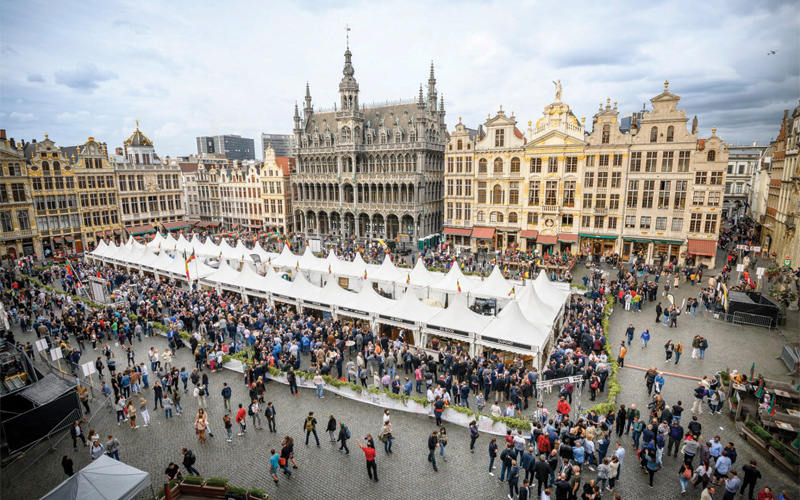
Throughout the year, Flanders hosts numerous beer festivals that attract both international enthusiasts and casual travelers. These events offer opportunities to sample a wide range of styles while meeting brewers and learning about local traditions.
The atmosphere at Flemish beer festivals is notably welcoming and educational. Rather than focusing solely on consumption, events emphasize craftsmanship, quality, heritage, and community.
For travel professionals, festivals create compelling seasonal travel opportunities that can be packaged alongside city breaks, food experiences, and cultural touring programs.
A Valuable Opportunity for Travel Advisors
For the travel trade, Belgium’s beer culture offers much more than a niche interest. It appeals to a broad spectrum of travelers including cultural explorers, food enthusiasts, luxury travelers, history buffs, and experiential tourists.
Beer experiences can be seamlessly integrated into FIT itineraries, escorted tours, river cruise extensions, culinary vacations, and incentive travel programs. Combined with Flanders’ outstanding museums, medieval architecture, cycling routes, and world-class gastronomy, brewery visits enhance the overall destination experience while providing authentic local connections.
In Flanders, beer represents craftsmanship, identity, and community. It tells stories of monks, merchants, families, and innovators who have shaped the region over centuries. Every brewery, café, and festival contributes to a living cultural tradition that continues to evolve while remaining deeply connected to its roots.
Flanders Through the Glass: A Beer Journey Across Belgium’s Brewing Heartland
A particularly compelling aspect of Flemish beer tourism is the opportunity to experience the diversity of Belgium’s brewing traditions through immersive, multi-day itineraries that connect travelers directly with brewers, beer historians, and local gastronomy. Rather than focusing on a single style or region, visitors can follow a carefully curated route that showcases everything from centuries-old family breweries to cutting-edge craft producers.
The journey often begins in West Flanders, home to one of Belgium’s most distinctive beer styles. In Roeselare, travelers can visit the legendary Rodenbach Brewery, widely regarded as the benchmark producer of Flemish Red Ale. Founded in 1821, Rodenbach is celebrated for its complex sour beers that undergo maturation in enormous oak casks known as foeders. These towering wooden vessels, some over 150 years old, give the brewery’s beers their characteristic balance of fruity sweetness and refreshing acidity.
The experience extends beyond the brewery itself at Het Foederhuis, Rodenbach’s restaurant and hospitality center. Here visitors can enjoy regional cuisine paired with the brewery’s signature beers, demonstrating the close relationship between Belgian brewing and gastronomy.
In nearby Bruges, often described as one of Europe’s most beautiful medieval cities, beer and heritage intersect in remarkable fashion at Brouwerij De Halve Maan. Located within the historic city center and operated by the same family for six generations, De Halve Maan represents the enduring strength of independent Belgian brewing. Visitors tour the brewery’s historic buildings before reaching rooftop viewpoints that offer spectacular panoramas of Bruges’ UNESCO-listed skyline. One of the brewery’s most innovative features is its underground beer pipeline, which transports beer beneath the city streets to an off-site bottling facility.
Leuven itself serves as an important center of brewing culture. While internationally known as the historic home of Stella Artois, the city also supports a dynamic craft beer movement. At Brouwerij De Coureur, travelers discover a newer generation of brewers inspired by cycling culture, local identity, and creative brewing techniques. An evening pub crawl through Leuven further demonstrates the extraordinary variety available in traditional cafés, where beer menus often feature hundreds of choices.
No exploration of Belgian beer culture would be complete without a visit to the Pajottenland and Zenne Valley, the birthplace of lambic beer. This unique style, produced through spontaneous fermentation using wild airborne yeasts, exists nowhere else in the world in quite the same way.
At Lindemans Brewery in Vlezenbeek, visitors learn how lambic production differs fundamentally from conventional brewing methods. The resulting beers, including fruit-infused varieties and traditional gueuze blends, offer flavors ranging from tart and refreshing to deeply complex. Lindemans has played an important role in introducing international audiences to spontaneously fermented Belgian beers while preserving centuries-old production methods.
Cycling between breweries provides an especially authentic way to experience this landscape and the journey can continue at Oud Beersel, another iconic lambic producer. Special barrel tastings allow visitors to sample beers directly from aging casks and compare different stages of maturation. These experiences reveal the artistry involved in blending and aging spontaneous-fermentation beers. For serious beer enthusiasts, barrel tastings are among the most exclusive and educational experiences available in Belgium.
For travelers seeking experiences that engage all the senses, Flanders offers one of Europe’s most rewarding cultural journeys. Its beer heritage is far more than a collection of breweries and tasting rooms. It is a living tradition woven into the region’s history, architecture, cuisine, and daily life. From medieval cities and abbeys to innovative craft breweries and world-renowned beer styles, every stop reveals a deeper connection to Flemish identity and craftsmanship. For travel advisors, beer tourism provides a compelling gateway to authentic local culture, creating memorable and meaningful experiences that continue to resonate long after the final glass
is raised. www.visitflanders.com